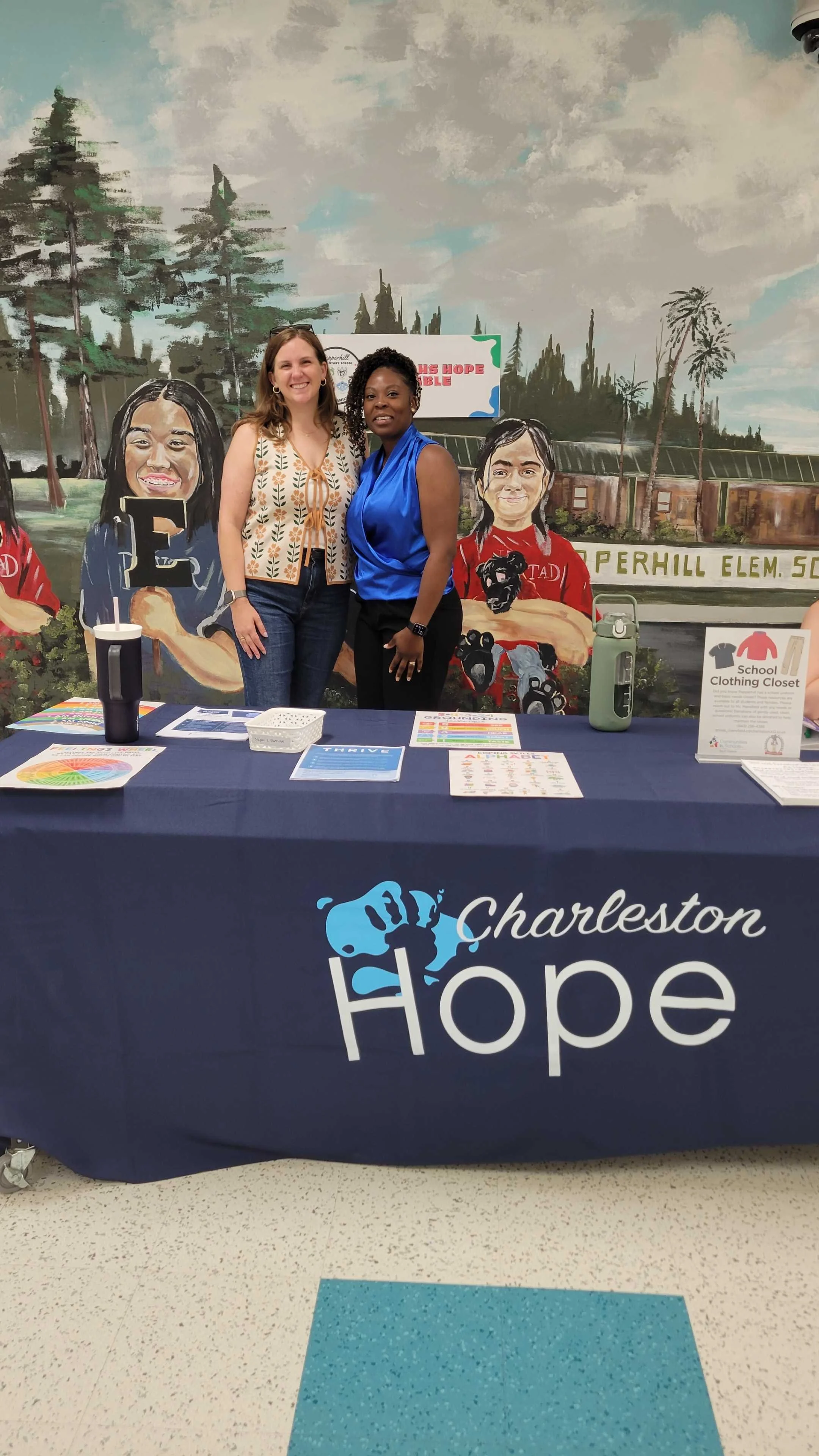
We put mental health care where children already are.

Mission
Charleston Hope increases access to mental and behavioral health programs in Title 1 schools to enhance student well-being.
Vision
We believe in a world where every child has access to the mental and behavioral health support they need to thrive
Get To Know Us More
-
We Believe Relationships Change Lives.
Relationships, not programs or events, change lives. Everything we do is motivated by this core belief.We Will Always See the Individual.
We hold the unshakable conviction that individuals are extremely important. We see people as people, not numbers or statistics.We Serve Intentionally.
We lead the way in serving. We are committed to going above and beyond for those around us.We Work to Understand and Interrupt Systems of Oppression.
We see the ways our society and local community have been influenced by racism, classism, and ongoing unconscious bias, and we work to be consciously unbiased in all that we do.We Create With, Not For.
We see assets first and deficiencies later. We start from a place of active listening and work with those we serve to add to their strengths.We Choose Honor.
We are committed to using language that empowers and affirms individuals and will always choose to see the best in others.We Trust Our Mission.
We believe in the strength of our mission and will remain focused on it. We are willing to say no in order to say yes.We Lead Fearlessly and Love Hard.
We are given the honor to lead, so we will lead. We see adversity as a "so what, now what" opportunity. -
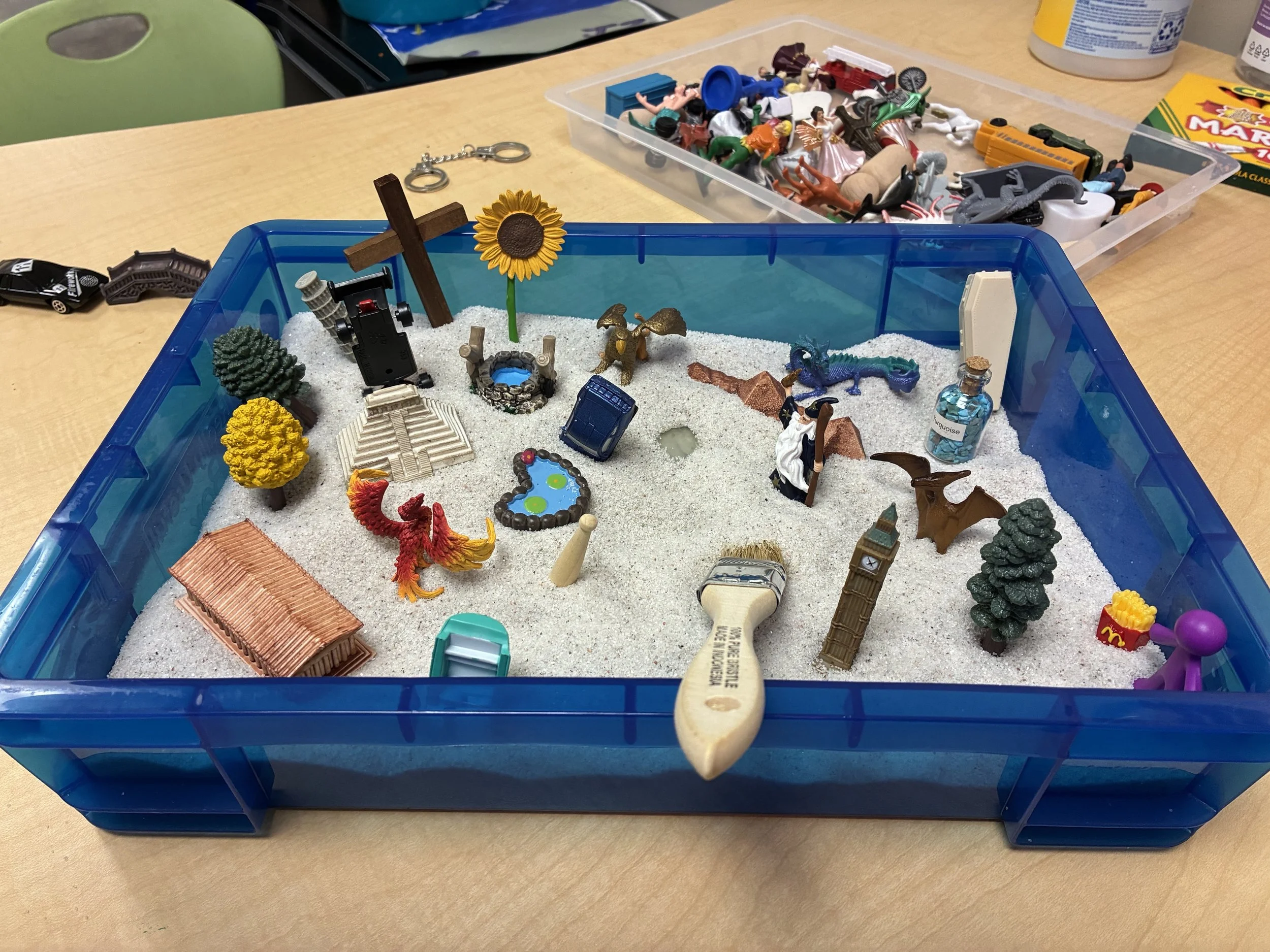
Charleston Hope’s clinical identity is culturally sensitive, trauma-informed, systems-based, and relationship centered. Practice is focused on using trust building practices rooted in Child-Centered Play Therapy to provide an optimum environment for growth and healing with interventions connected with CBT, wellness, and other evidenced based practices.
-
Anyone at the school can refer a student. A teacher, a counselor, or an administrator fills out one form, and it reaches our care coordinator the same day.
We call the family first. Nothing happens until a parent understands the program and signs permission.
Then we assess. A full assessment tells us what kind of help the child needs, and only then do we match them with a clinician.
Therapy runs through the school year. At least twelve sessions, with a plan in place early and regular contact with the family throughout.
We measure at the end. The student is assessed again in their final sessions, so we can see what changed.
Every step is shared with the school as it happens, and every school year starts fresh with a new referral.
-
Every approach our clinicians use is evidence-based, and every session is documented the day it happens. Our Clinical Coordinator supervises all of it. That is how the same standard of care holds in every school, no matter who is delivering it.
OUR STORY

It started in 2011 with a conversation. Emily Kerr's sister was a first-year teacher at a downtown Charleston school, and over that year the needs of her students became impossible to ignore, as did how little support existed to meet them. That December Emily learned most of the pre-kindergarten students in her sister's classroom would not receive a single Christmas gift. She was a high school senior. She rallied friends and family, and together they delivered wrapped toys to forty children.
The next year she took it to the College of Charleston and reached roughly 900 students. What kept it growing was listening. Teachers and administrators told her what they actually needed, and Charleston Hope kept changing shape in response.
In 2016 Emily graduated with a degree in early childhood education and became full-time executive director, focusing the work on Mitchell Elementary, one of the five lowest-income schools in Charleston County.
By 2023 the pattern was clear. Underneath the school supplies and the holiday drives, the thing standing between these children and a good year was almost always their mental health, and almost none of them could reach care. That April the board adopted a new mission, and Charleston Hope became what it is today.
Meet the Team
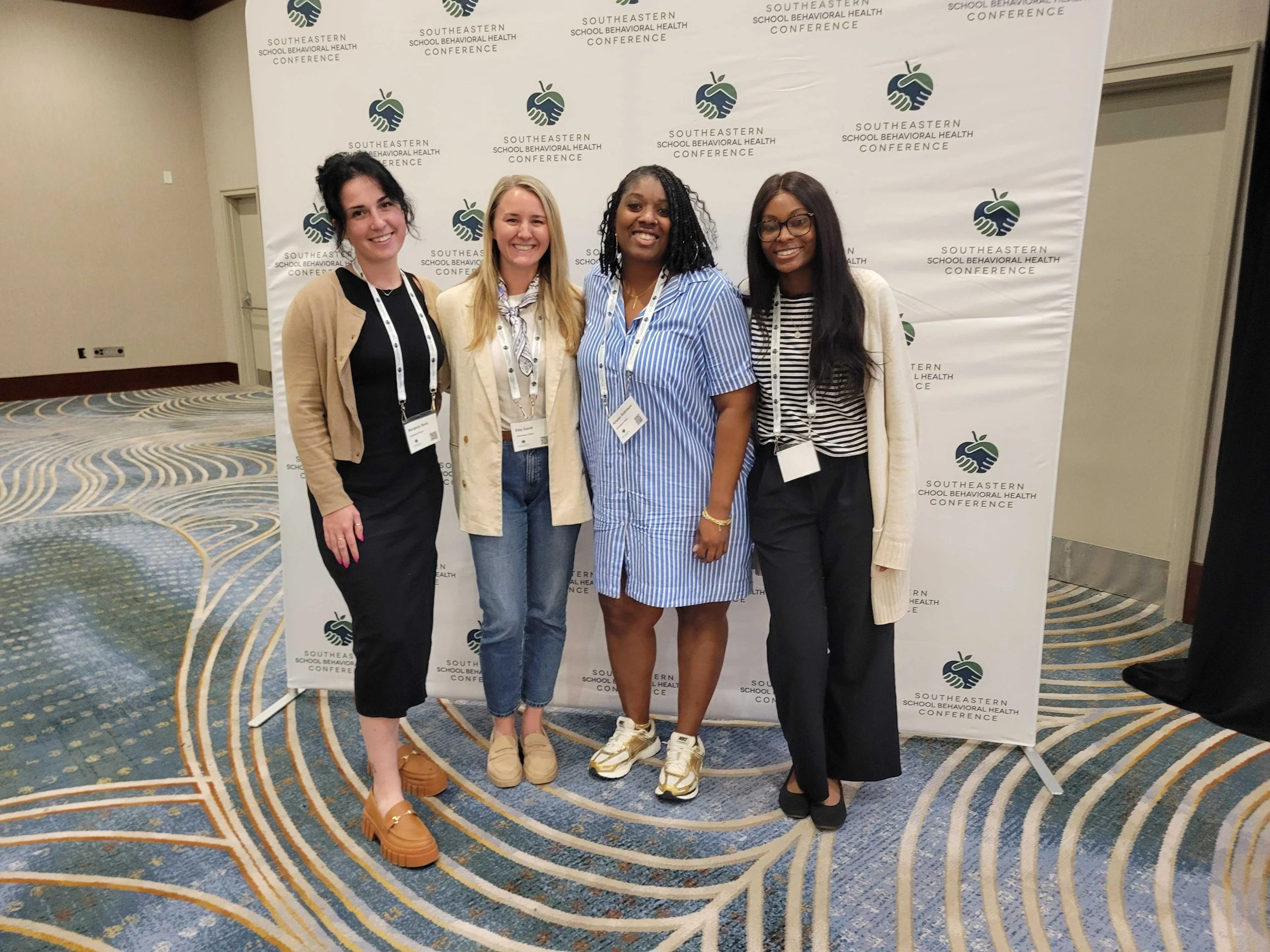
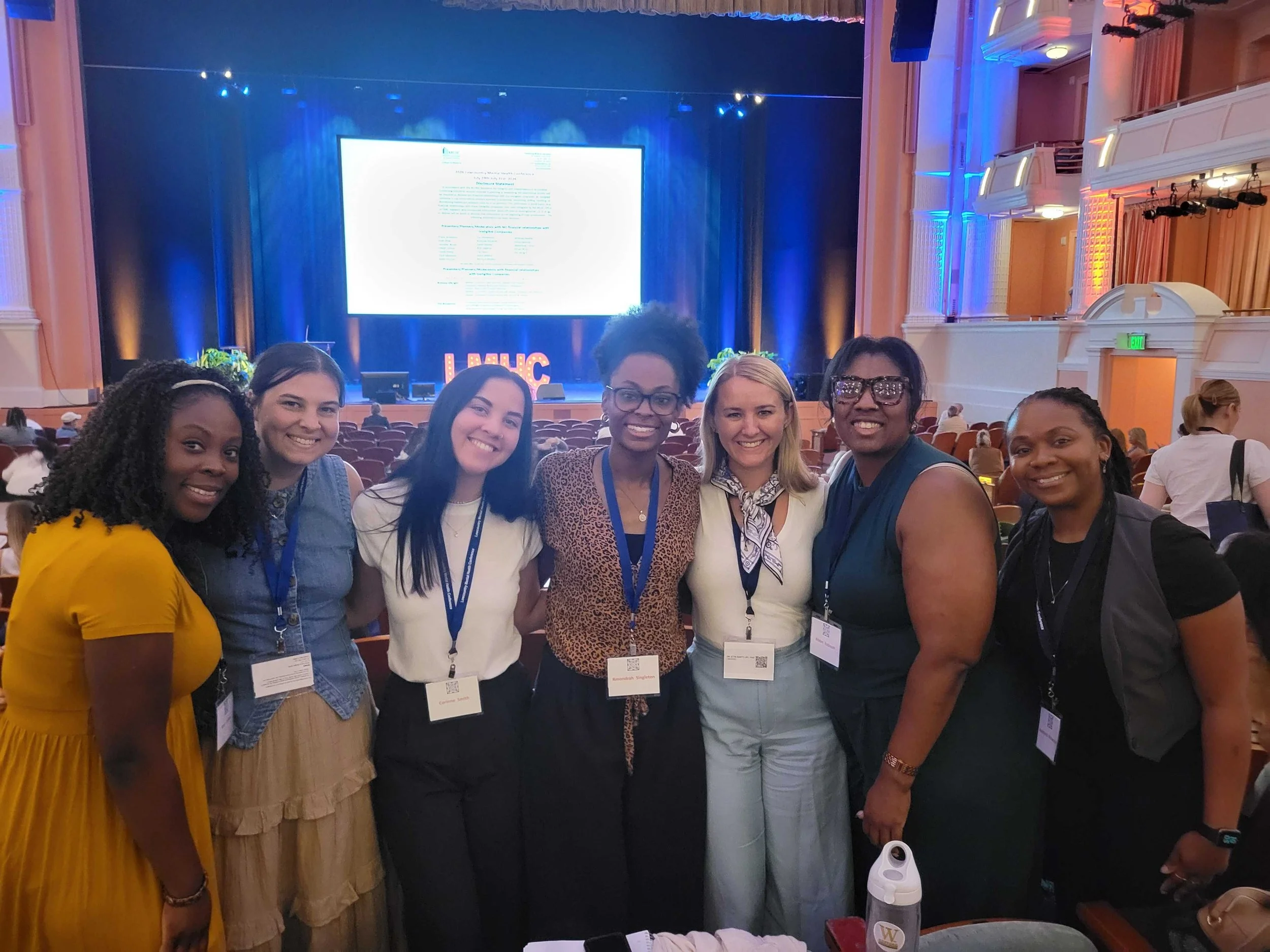
A leadership team running programs, clinical care, operations, and advancement. Licensed clinicians and care coordinators in every school. A board that does real work. And the graduate clinicians we train ourselves before they ever meet a student, many of whom stay in South Carolina to become the children's therapists this state does not have enough of.
OUR PARTNERS
Charleston County School District · Kaleidoscope · University of South Carolina · ClearMark Group · Roper St. Francis · The Citadel · Charleston Southern University · College of Charleston
Accountability
We publish what we spend and what it produces.
IRS Determination Letter · Form 990 · Impact Reports
Charleston Hope is a 501(c)(3) nonprofit organization. EIN 90-0903530.